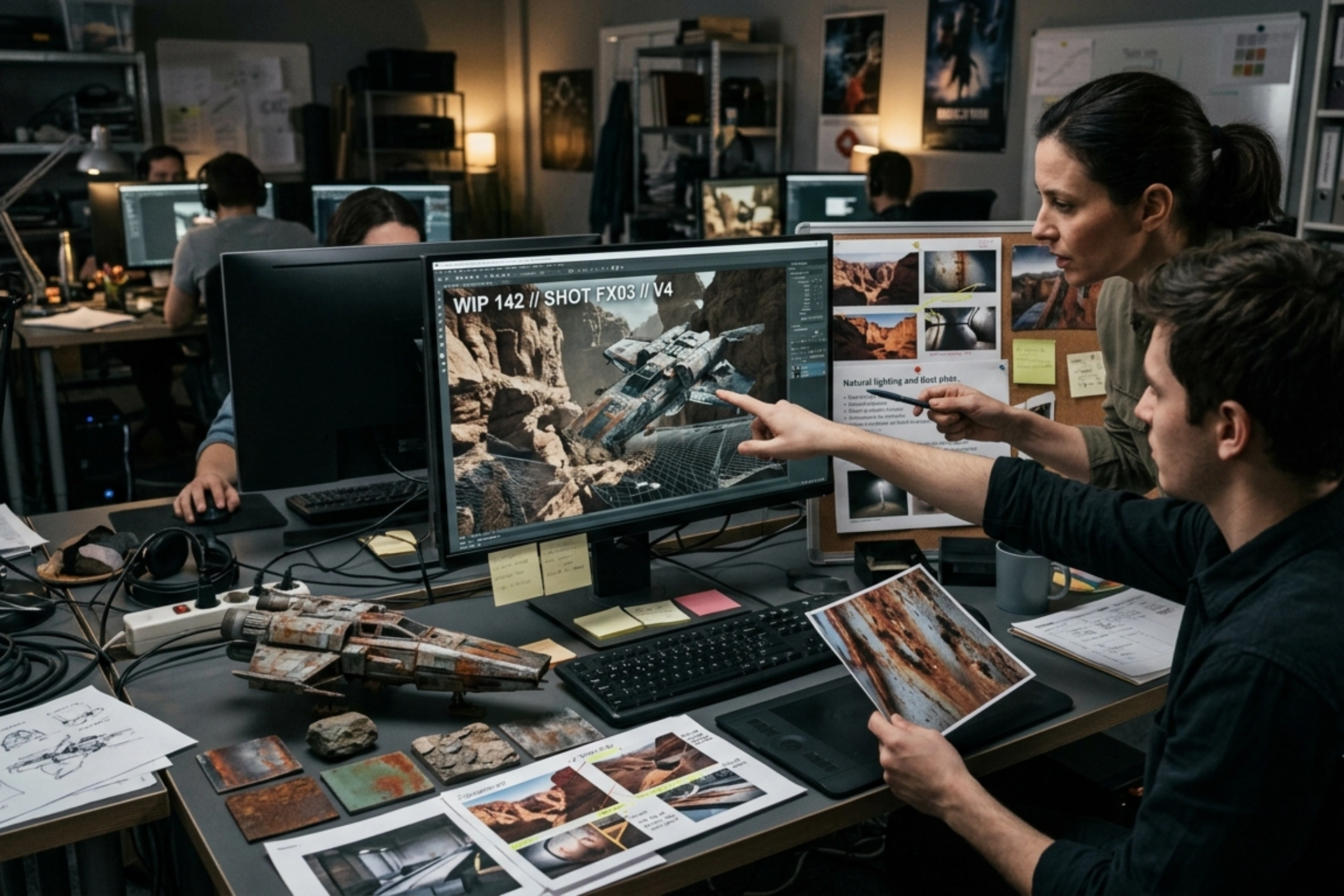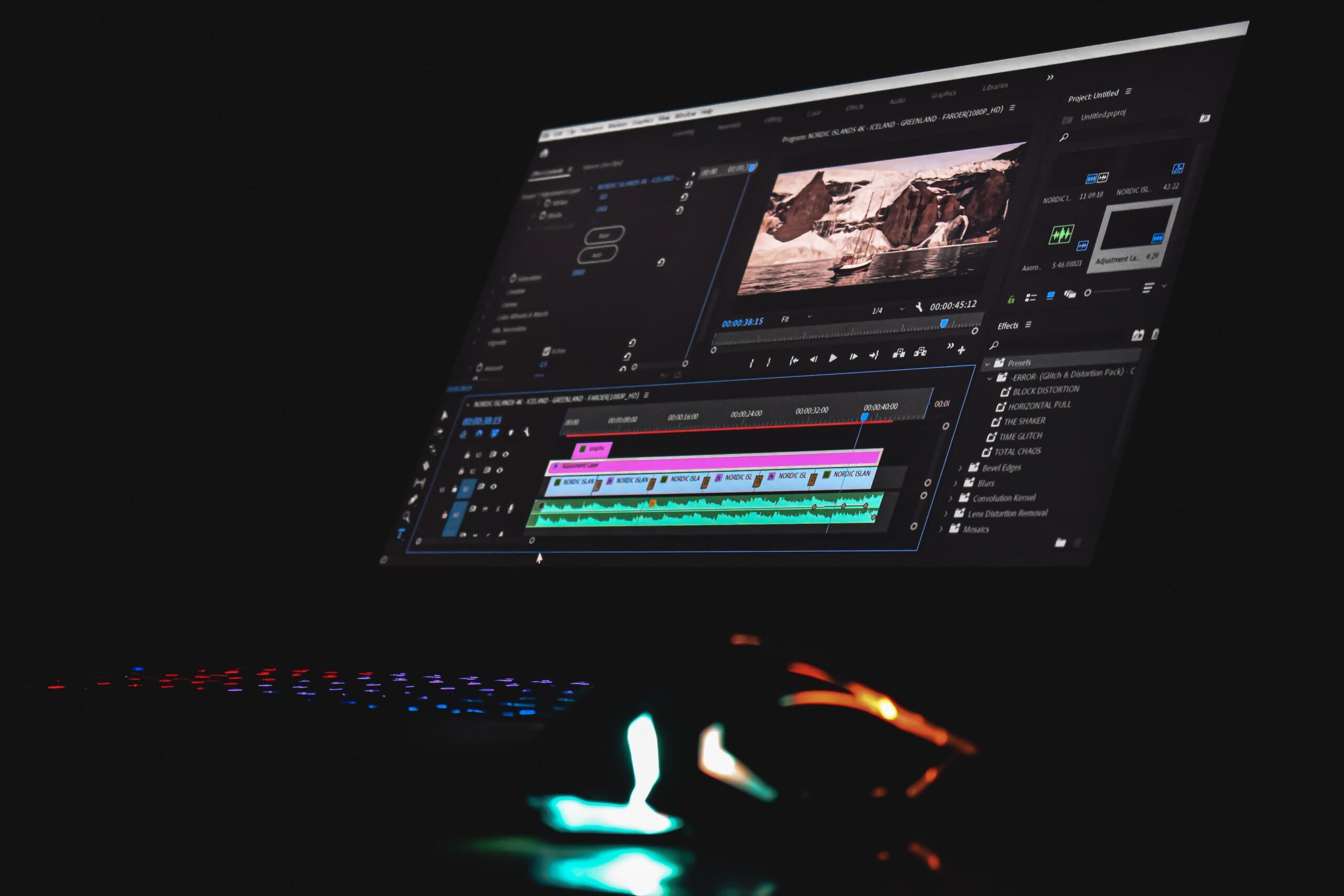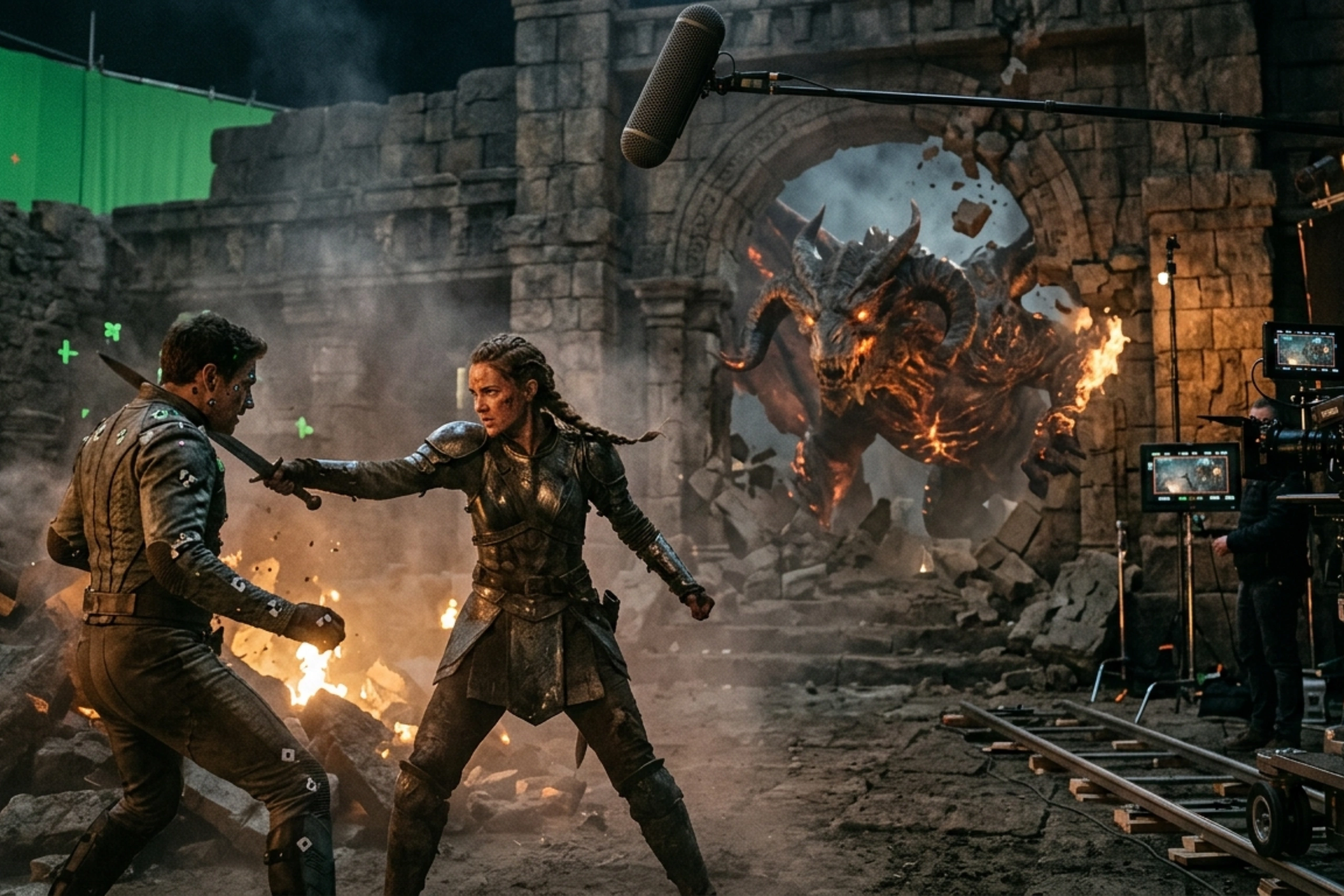
Visual effects have transformed modern filmmaking, making it possible to create worlds, characters, and moments that would otherwise be impossible. But great VFX is more than creating the biggest spectacle. It doesn’t dominate the story, only makes it more believable.
Think about films like The Lord of the Rings or Avatar. While they’re known for their stunning visuals, what audiences remember most are the emotional moments: Frodo carrying the Ring despite the odds or Jake Sully choosing where he belongs. The visual effects work because they support those moments rather than distract from them.
That’s the goal of good VFX. Every effect should feel like a natural part of the story, not something added simply because it looks impressive — something a good VFX studio or VFX artist aims to achieve without overpowering the narrative.
When VFX becomes a problem
It is easy to fall into the trap of adding more effects simply because you can. But more VFX does not mean better storytelling. In many cases, it does the opposite. It pulls attention away from the narrative, exposes technical flaws, and breaks immersion.
At Motion Edits, our VFX artists often remind clients that adding more visual effects does not automatically improve a project. Big-budget films illustrate this well. The Transformers series, for example, began with a balance of story and spectacle, but later installments leaned too heavily on visuals and lost emotional impact.
Even small missteps can pull audiences out of the experience. In The Mummy Returns, the Scorpion King’s reveal feels more like a video game character than part of a live-action scene. In Die Another Day, the ice surfing sequence looks so artificial that the tension disappears. Instead of staying with the story, the audience starts noticing the effect, and the illusion falls apart.
A pattern our VFX studio often sees is that projects overloaded with effects also tend to face more revisions, delays, and avoidable costs. When visuals take priority too early, gaps in the script and emotional beats are easier to miss.
No VFX company, no matter how skilled or experienced, can replace strong character moments and tension that truly engage an audience. Visual effects can support a story, but they cannot carry it. At a certain point, more detail only adds noise, and the story loses its hold.
The power of invisible VFX
Some of the best visual effects (VFX) are the ones you never notice.
These subtle VFX techniques include removing distractions from a shot, extending environments, matching lighting and tone, and seamless compositing. While these effects do not draw attention to themselves, they elevate the entire film and keep your focus on the story.
At Motion Edits, we know that invisible VFX plays a key role in maintaining immersion. If you are not thinking about the visual effects at all, they are usually working as intended. A cleaned-up frame, a balanced color grade, or a subtle digital enhancement may go unnoticed, but together they help create a polished, seamless, and believable final film.
How to use VFX the right way
If you want visual effects to strengthen your video or film, keep these principles in mind:
- Define the purpose of each effect. Does it reveal character or advance the plot? If not, it likely isn’t needed.
- Aim for subtlety and realism. Cheap-looking or overly flashy CGI can yank the viewer out of the story.
- Plan and communicate early. When you plan VFX shots during pre-production with your VFX studio or team, you can shoot with the right framing and lighting. Editors and VFX artists can then integrate the effect without awkward fixes later.
- Review VFX shots in context with the edit and sound. A great effect can still fail if the scene’s cut, pacing, or audio don’t support it.
- Hire experienced VFX artists or use a professional VFX service from a reliable VFX company. A skilled team understands pacing, visual consistency, and production constraints. In long-running projects, they can help you avoid costly revisions, delays, and reshoots.
At Motion Edits, storytelling guides every VFX decision we make. Whether we’re working on a film, commercial, or wedding video, our goal is to create effects that feel natural and support the narrative.
If your project involves compositing, environment work, or visual enhancements, it is best to hire a VFX artist early to make planning, production, and post-production much smoother.
Final thoughts for filmmakers and video producers
Every effect should earn its place in the story. Like seasoning in a dish, VFX should enhance what’s already there – not overpower it. When you focus first on what the audience needs to feel or understand, it’s easier to decide which effects truly add value.
Before your next project, ask yourself one simple question:
Is your VFX supporting the story or competing with it?
If you want to hire a VFX artist or work with a VFX studio, contact us to learn how our video editing and VFX services can bring out the best in your narrative, without letting the effects steal the show.