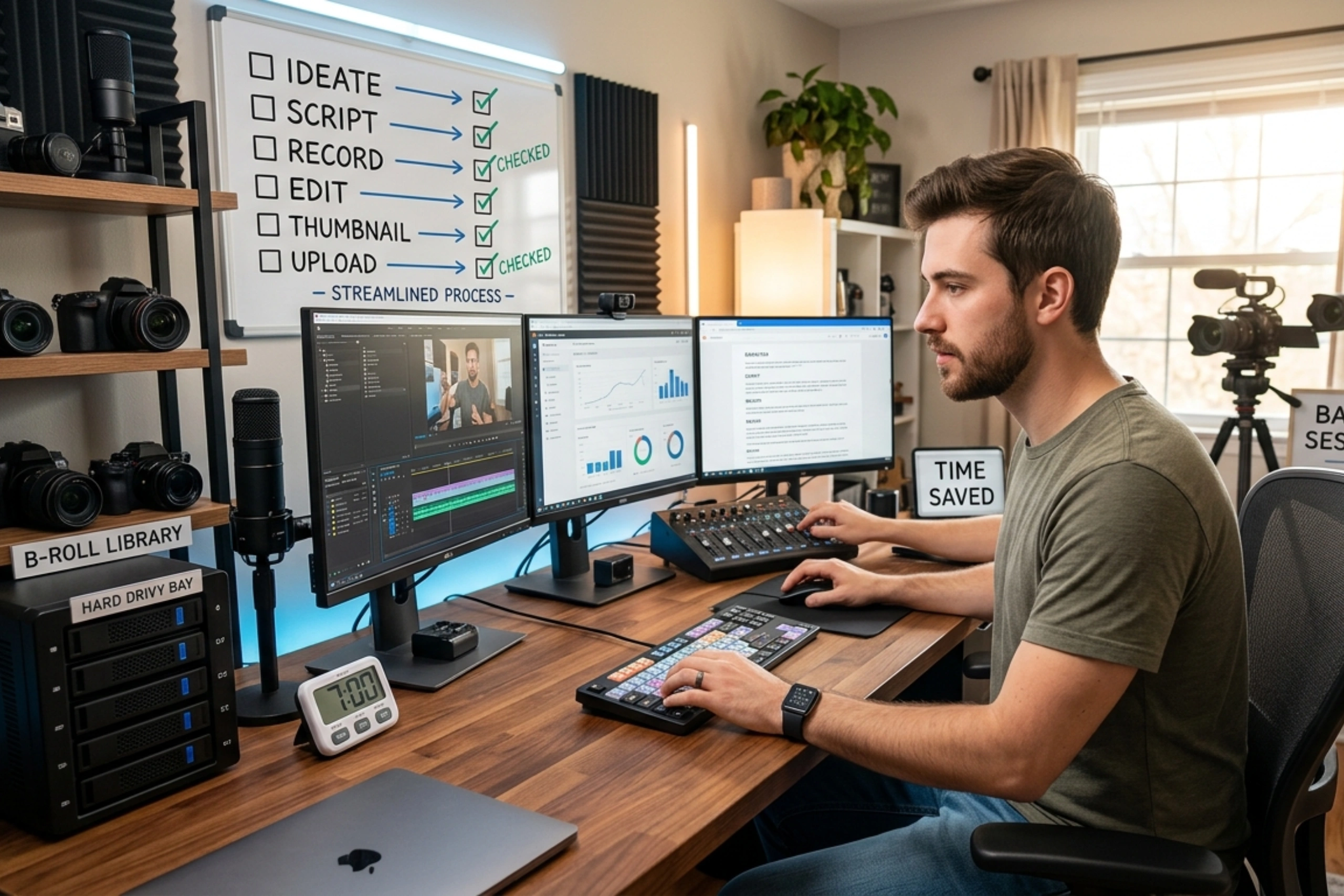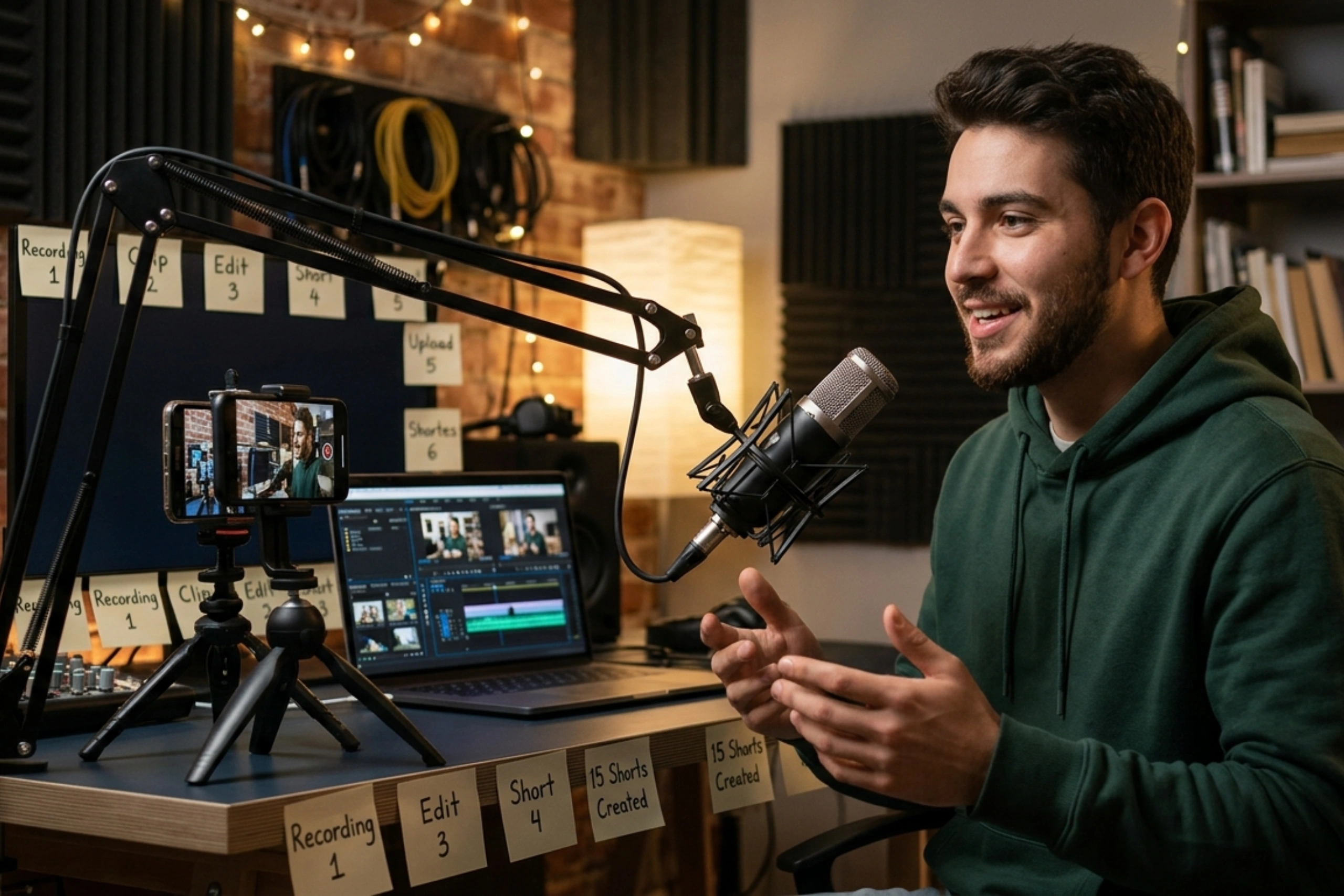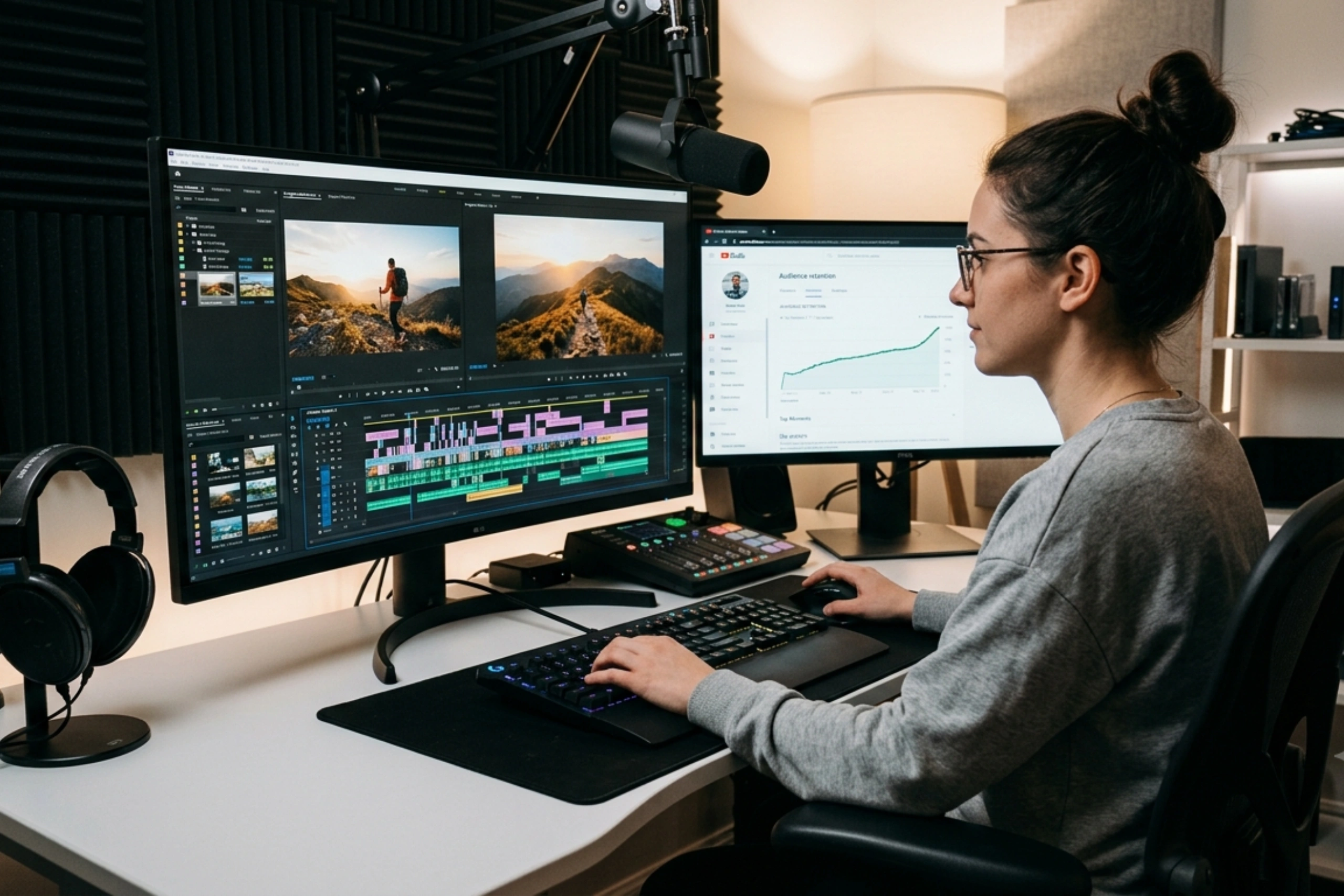
For every YouTuber, it is a dream to get lots of views, likes, and subscriptions. But getting clicks on the YouTube channel is the first challenge, and the second is achieving retention from the viewers.
Audience retention is one of the most useful signals for understanding whether a video actually holds attention for influencers, podcasters, vloggers, and professional creators. According to YouTube’s analytics guidance, audience retention shows how long viewers choose to stay with a video. It highlights the first 30 seconds as an important intro measurement and notes that videos with 50% or more viewers are still watching the video. It can appear in the above typical intro list.
Because of this, professional editing involves much more than just visual effects and transitions. To determine where attention is being gained—or lost—expert YouTube editors examine pacing, hooks, visual changes, storytelling, audio, and retention graphs.
Working with a professional YouTube video editor for hire can transform editing from a time-consuming production task into a strategic component of channel growth for creators who are expanding rapidly.
Check Our YouTube Video Editing Service
1. Retention Editing Starts Before the First Cut
“Which clip looks best?” is not always the first question a professional editor asks. “Why should someone keep watching?” is a better place to start.
A video’s opening must immediately establish its worth and live up to the expectations set by the title and thumbnail. Strong intro retention, according to YouTube, can show that the opening piqued viewers’ interest and that the content fulfilled their expectations after clicking.
This could entail starting with the outcome before outlining the procedure for an educational creator. Before going back to the start of the trip, a travel influencer might share the most unexpected moment. A podcaster may begin with a guest’s 15-second statement that piques interest in the topic at hand.
Eliminating needless friction between the click and the reward is the editor’s job. The moment that viewers come to see can be delayed by lengthy logo animations, repetitive introductions, pointless greetings, and slow explanations.
Instead of viewing those initial moments as merely an introduction, a proficient video editor for YouTube channel content views them as a retention opportunity.
2. Editors Use Retention Graphs to Find Attention Drops
As a channel releases more content, professional YouTube editing should become more data-driven.
YouTube Analytics gives creators audience-retention data so they can observe how viewers interact with a video. By comparing videos, editors and creators can spot trends rather than speculating about whether a particular editing style is effective.
Tighter dialogue editing might be the answer if several videos routinely lose viewers during lengthy explanations. Future edits can add visual context earlier if retention increases when B-roll or demonstrations are shown. The kind of information that viewers find most valuable may become apparent if they watch a certain section again and again.
This creates a feedback loop:
Publish → Measure Retention → Identify Patterns → Adjust Editing → Publish Again
These insights can be used by seasoned YouTube channel editors to improve upcoming videos. Editing gradually moves away from presumptions about what audiences might like and toward actual viewer behavior.
For artists seeking long-term success, that distinction is crucial.
3. Pacing Is About Removing Friction, Not Making Everything Faster
High retention is not always the result of quick editing.
Different pacing is needed for business podcasts, travel vlogs, instructional videos, and YouTube shorts. Finding a rhythm that works for the audience and the content is the responsibility of a professional editor.
Long pauses, repeated statements, technical interruptions, and passages that don’t advance the conversation can all be eliminated by editors for podcasts. Cutting every pause, though, can make an interview seem awkward.
To create visual progression for vlog content, a YouTube vlog editor might switch between talking-head footage, environmental shots, reactions, B-roll, and natural sound.
When explaining complicated material, instructional videos might need to move more slowly, but they should transition between key sections more quickly.
Therefore, “cutting faster” is not as important to good retention editing as ensuring each section merits its position in the timeline.
4. Pattern Interrupts Can Refresh Viewer Attention
Even when the content is helpful, attention can stray when a video stays visually unchanged for an extended period of time.
Editors frequently add what are known as “pattern interrupts,” which are deliberate adjustments to the audio or visual experience that draw the viewer’s attention back.
Changes in camera angle, pertinent B-roll, graphics, screenshots, captions, demonstrations, subtle zooms, sound effects, and location shifts are a few examples of these.
The important word is relevant.
It can get distracting to add random effects every few seconds. Expert editors employ visual adjustments to bolster the narrative or provide clarification.
For instance, the editor may briefly display the study title or a pertinent chart when a podcaster brings up a research study. Instead of requiring viewers to visualize a feature, B-roll can show it when a tech creator describes it.
Overstimulating viewers is not the goal. It is to prevent visual stagnation while reinforcing the message.
5. YouTube Shorts Require a Different Retention Strategy
Traditional YouTube videos function differently from short-form content.
In YouTube Studio, creators can review the percentage of times viewers chose to watch a Short versus swiping away. Additionally, YouTube notes that audience retention and watch time are crucial indicators of Shorts engagement.
This makes the opening especially important.
Instead of starting with chronological context, a professional YouTube Shorts editor might start with the strongest statement. To keep the momentum going, the edit can then utilise concise captions, vertical reframing, tighter pauses, visual changes, and a clear payoff.
For example, instead of beginning a podcast Short with:
“Today we’re talking about how I built my company…”
An editor might start with:
“The biggest mistake I made cost us our first year of growth.”
The context comes afterward.
A skilled YouTube Shorts video editor is aware that short-form editing involves more than just cropping a horizontal podcast to 9:16. It requires restructuring the content around immediate viewer interest.
Influencers and podcasters can produce more content without having to record another session by using a YouTube Shorts video editor to find high-potential moments within long-form videos.
6. Audio Editing Has a Major Influence on Viewing Experience
An imperfect camera angle may be tolerated by viewers. It is much more difficult to ignore poor audio.
Expert editors reduce distracting pauses, balance dialogue levels, eliminate background noise, and create seamless speaker transitions. Consistent audio helps the audience concentrate on the discussion rather than technical distractions in podcasts, multi-camera interviews, and instructional videos.
Pacing can also be influenced by sound design and music. A subtle change in music can signal that a new section is beginning, while sound effects can emphasize important visual moments.
Professional editing, however, steers clear of abusing these methods. Instead of competing with the content, audio should enhance it.
Influencers and podcasters, whose voice and personality are essential to their brand, should pay particular attention to this.
7. One Long Video Can Become an Entire Content System
The initial upload does not have to be the end of retention optimization.
Five powerful clips could make up a 45-minute podcast. Three independent lessons could be included in a 15-minute tutorial. A 20-minute vlog could contain several entertaining or educational moments suitable for Shorts.
While working on the main timeline, skilled editors are able to recognize these sections and transform them into extra content.
This creates a more efficient production model:
1 Recording Session → 1 Long-Form Video → Multiple Shorts → Social Clips
Repurposing content can be just as valuable to creators looking to hire a YouTube video editor as editing the original video.
Filmmakers receive greater value from footage they have already created rather than continuously shooting new material.
8. Why Creators Are Building Long-Term Editing Partnerships
Editing often becomes one of the first operational bottlenecks as a YouTube channel expands.
Researching subjects, coming up with concepts, filming content, interacting with sponsors, running communities, and evaluating channel performance are all tasks that creators must complete. Eventually, publishing frequency can be reduced by devoting an additional 10 or 15 hours to editing each upload.
For this reason, a lot of YouTubers seeking editors eventually transition from sporadic freelance assistance to a regular editing collaboration.
The creator’s pacing, humor, visual language, caption style, audience expectations, and brand guidelines are all learned by a committed editor. This eventually lowers the number of revisions and improves the production pipeline’s efficiency.
Finding someone with editing software expertise should not be the only objective for influencers and podcasters searching for a YouTube video editor. The more pertinent question is whether the editor is aware of the interrelationships between post-production, channel analytics, viewer behavior, and storytelling.
It’s Time For You To Grab Viewer Attention
Professional YouTube editing is increasingly becoming a combination of creative storytelling and audience analysis.
The strongest editors don’t simply ask whether a video looks polished. They take into account whether the opening fulfills the title, the pacing is appropriate, whether visual changes are necessary, whether audio causes friction, and what the channel can learn from past retention data.
For long-form videos, YouTube’s audience-retention tools help creators understand how long viewers stay and how their intros perform. Metrics like “viewed versus swiped away,” watch time, and audience retention give Shorts more information about how viewers behave.
Professional editing should ultimately achieve one goal, whether you’re a podcaster repurposing interviews, an influencer scaling weekly uploads, or a creator looking for skilled editors for YouTube:
Make every second of the audience’s time worthwhile.
Additionally, video editing transcends post-production and becomes an integral part of the channel’s growth system when creators integrate better ideas with retention-focused editing and regular performance analysis.
Check Our YouTube Video Editing Service
FAQs
1. How do professional YouTube editors improve audience retention?
Professional YouTube editors increase retention by strengthening the opening, eliminating pointless pauses, enhancing pacing, incorporating pertinent B-roll and graphics, balancing audio, and examining audience-retention trends from previously released videos.
2. What is a good audience retention rate for a YouTube video?
Videos that retain 50% or more of viewers after the first 30 seconds may be included in “above typical intros,” according to its Analytics guidance, making early retention a crucial benchmark to keep an eye on.
3. Does hiring a YouTube Shorts editor help increase views?
Professional editing can enhance elements that impact viewer behavior, such as the opening hook, pacing, captions, visual clarity, and content structure, but it cannot ensure more views for YouTube Shorts. YouTube Studio allows creators to monitor “viewed versus swiped away,” watch time, and audience retention to evaluate how viewers respond to Shorts.
4. When should influencers and podcasters hire a YouTube video editor?
When editing begins to limit publishing consistency, take up time needed for recording or sponsorships, or prevent long-form content from being repurposed into shorts, influencers and podcasters should think about hiring a YouTube video editor.
5. What should creators look for when hiring editors for YouTube?
Creators should seek out YouTube editors who are knowledgeable about storytelling, audience retention, audio editing, pacing, long-form and short-form formats, and YouTube Analytics. Additionally, the ideal editor should be able to maintain brand consistency and modify edits in response to specific viewer behavior.